What to check before installing a keypad or smart lock
Keypad and smart locks offer a modern way to control access to your home without fumbling for keys. They can simplify life for families, landlords, and anyone who wants more flexibility in who comes and goes. But before you buy one and start the installation, there are several practical points worth checking. A little planning now can save you time, frustration, and the cost of a lock that doesn't quite work for your door.
Check your door's fit and condition
The first thing to look at is the door itself, not the lock. Most keypad and smart locks are designed for standard residential doors with a thickness between 1 3/8 inches and 1 3/4 inches. If your door is thicker or thinner, you might need a specific model or an adapter. Also examine the edge of the door where the deadbolt slides into the strike plate. The hole for the deadbolt needs to be a standard 2 1/8-inch bore, and the latch hole should line up squarely with the strike plate on the frame. If the door is warped, swollen from moisture, or has an off-center bore, the new lock may not align properly. Fixing these issues before you start the smart lock installation will make the job much smoother.
Look at the strike plate and frame
The strike plate is the metal piece on the door frame that catches the deadbolt. Many older strike plates are small and held in place with short screws that barely grab the frame. A smart lock with a motorized deadbolt can put more force on the strike plate than a manual lock. If the plate is loose or the screws are short, the lock may rattle or fail to latch securely. Before installation, check that the strike plate is firmly attached. If it isn't, replace it with a larger, heavy-duty strike plate and use screws long enough to reach the stud behind the frame. This small step improves the lock's strength and helps prevent forced entry. The same applies if you are upgrading home entry security: a solid strike plate is one of the cheapest ways to make a door harder to kick in.
Decide on the lock type and its power source
Not all smart locks are the same. Some replace both the deadbolt and the exterior keypad, while others attach over your existing deadbolt. The first type usually requires more involved installation because you remove the entire lock cylinder. The second type is simpler and lets you keep your current key as a backup. In both cases, the lock needs power. Almost all keypad and smart locks run on batteries. Check how the lock accesses the battery compartment and how often you will need to change them. Models with a visible low-battery warning and a backup method (a physical key or a 9-volt battery jump) are more reliable. Also, consider whether the lock uses standard alkaline batteries or specialized ones. Rechargeable batteries are an option, but some locks do not work well with them due to voltage differences. If you are upgrading home entry security, a battery backup feature is worth having, since a dead battery can leave you locked out.
Understand the access code system
Keypad locks let you enter a numeric code to unlock the door. But the way they handle codes varies. Some models store only a handful of codes, which may be fine for a family but not for a rental property with frequent tenant turnover. Others allow dozens of unique codes and let you set time restrictions so a code only works during certain hours. If you plan to give codes to service providers or guests, look for a lock that lets you create temporary codes and delete them easily. Also check if the keypad is backlit for night use and if it has a tamper alarm that sounds after too many wrong attempts. These features matter more than you might think once the lock is in daily use.
Check compatibility with your existing door hardware
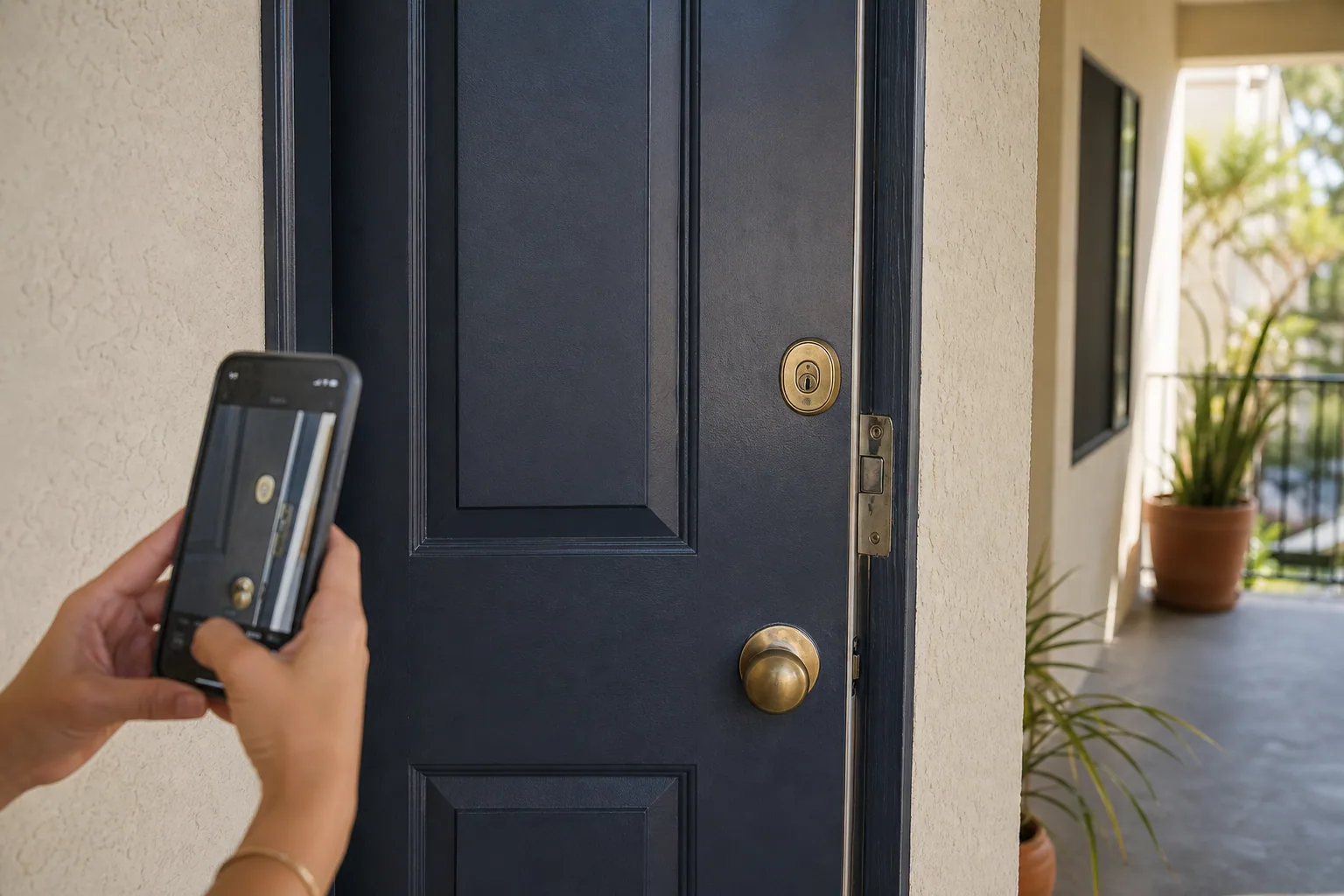
Smart locks often come with a specific deadbolt and latch. But your door may have a non-standard backset (the distance from the edge of the door to the center of the deadbolt hole). The two common backsets are 2 3/8 inches and 2 3/4 inches. Most smart locks include an adjustable latch that fits both, but some do not. Measure your backset before buying. Also look at the handedness of your door: whether it opens inward or outward and whether the hinges are on the left or the right. Some smart locks are reversible, but others come in a fixed orientation. Installing a lock that is not meant for your door's handedness can cause the deadbolt to bind or the keypad to be upside down. A few minutes with a tape measure can prevent that headache.
Consider the lock's connectivity and your home's setup
Many smart locks connect to your home Wi-Fi or a smart home hub so you can lock and unlock remotely. Before installation, check that your router or hub is close enough to the door for a stable signal. Thick walls, metal doors, or distance can weaken the connection. If the lock uses Bluetooth only, you must be within range to operate it with your phone. That is fine for most daily use, but it means you cannot let someone in from across town. Some locks use Z-Wave or Zigbee, which require a separate hub. Decide which connectivity you actually need and whether your home network can support it. Also check whether the lock's mobile app is well reviewed and still updated. A lock with abandoned software can become a security risk or simply stop working with newer phones.
Look at the physical installation steps
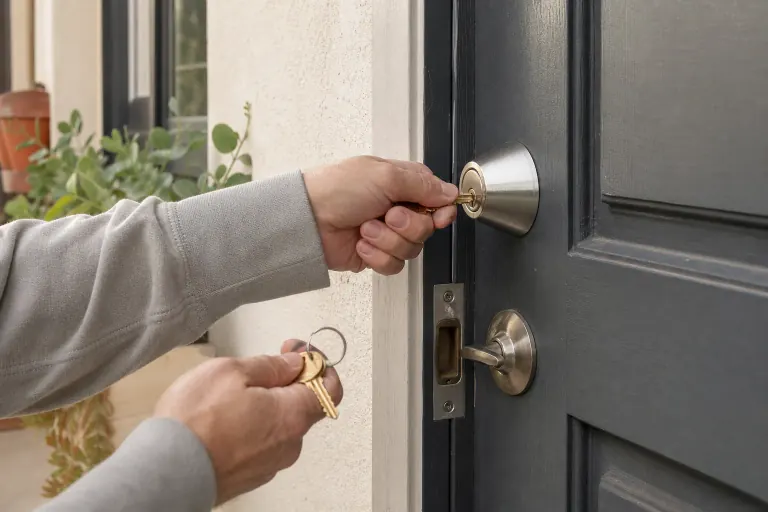
Once you have the right lock for your door, the installation itself is usually straightforward. Most smart locks come with a template that shows where to drill holes for the deadbolt and the keypad. If your door already has a deadbolt, you can often reuse the existing holes. Remove the old deadbolt and lock cylinder, then follow the manufacturer's instructions to mount the new components. Pay attention to the orientation of the keypad and the interior assembly. Some models require you to thread a cable through the door and connect it to the interior module. That cable is delicate, so handle it gently. Tighten screws firmly but not too hard, as plastic housings can crack. After everything is mounted, test the lock several times with the door open and closed. Make sure the deadbolt extends and retracts smoothly. If it sticks, adjust the strike plate or the latch position. A lock that works well on the bench may bind when the door is closed because the frame is slightly out of alignment.
Plan for backup access
No matter how reliable a smart lock seems, you should always have a backup way to get in. Some locks include a physical key override, which is the simplest solution. Others have a hidden keypad or a USB port for emergency power. If your lock does not have a key override, keep a spare battery pack or a 9-volt battery jumper in your car or with a neighbor. Also, share a backup code with someone you trust who lives nearby. Relying solely on your phone or a single code is risky if the battery dies or the electronics fail. A little redundancy keeps you from being locked out on a busy morning.
Think about who will use the lock and how often
Finally, consider the people who will actually operate the lock. If you have children, elderly family members, or guests who are not tech-savvy, a simple keypad is often easier than an app-based lock. Make sure the keypad buttons are large enough and the display is readable. For rental properties, choose a lock that lets you change codes remotely or quickly delete old codes after a tenant turnover. If you run a business from home, you may want a lock that logs entry times. Matching the lock's features to the actual users prevents confusion and frustration down the road.
Taking these checks one at a time before you start the smart lock installation will help you pick the right model and get it working correctly from day one. A well-chosen lock that fits your door, your home network, and your daily routine will serve you for years without trouble. And if any part of the installation feels tricky - especially aligning the deadbolt with the strike plate or wiring the interior unit - calling a professional locksmith is a smart move. They have the tools and experience to handle doors that are not perfectly square or frames that need adjustment. Spending a bit of time on the front end ensures that your new keypad or smart lock does exactly what you want: keep your home secure and your life a little simpler.